O Jardim Escondido
ALFAMA, LISBON, PORTUGAL | PRIVATE COURTYARD GARDEN
Year
2025
Location
Alfama, Lisbon, Portugal
Typology
Private courtyard garden
Scope
Garden design
Planting design
Garden installation
Site supervision
Ongoing maintenance
Selected
species
Punica granatum
Ficus carica
Hedera helix
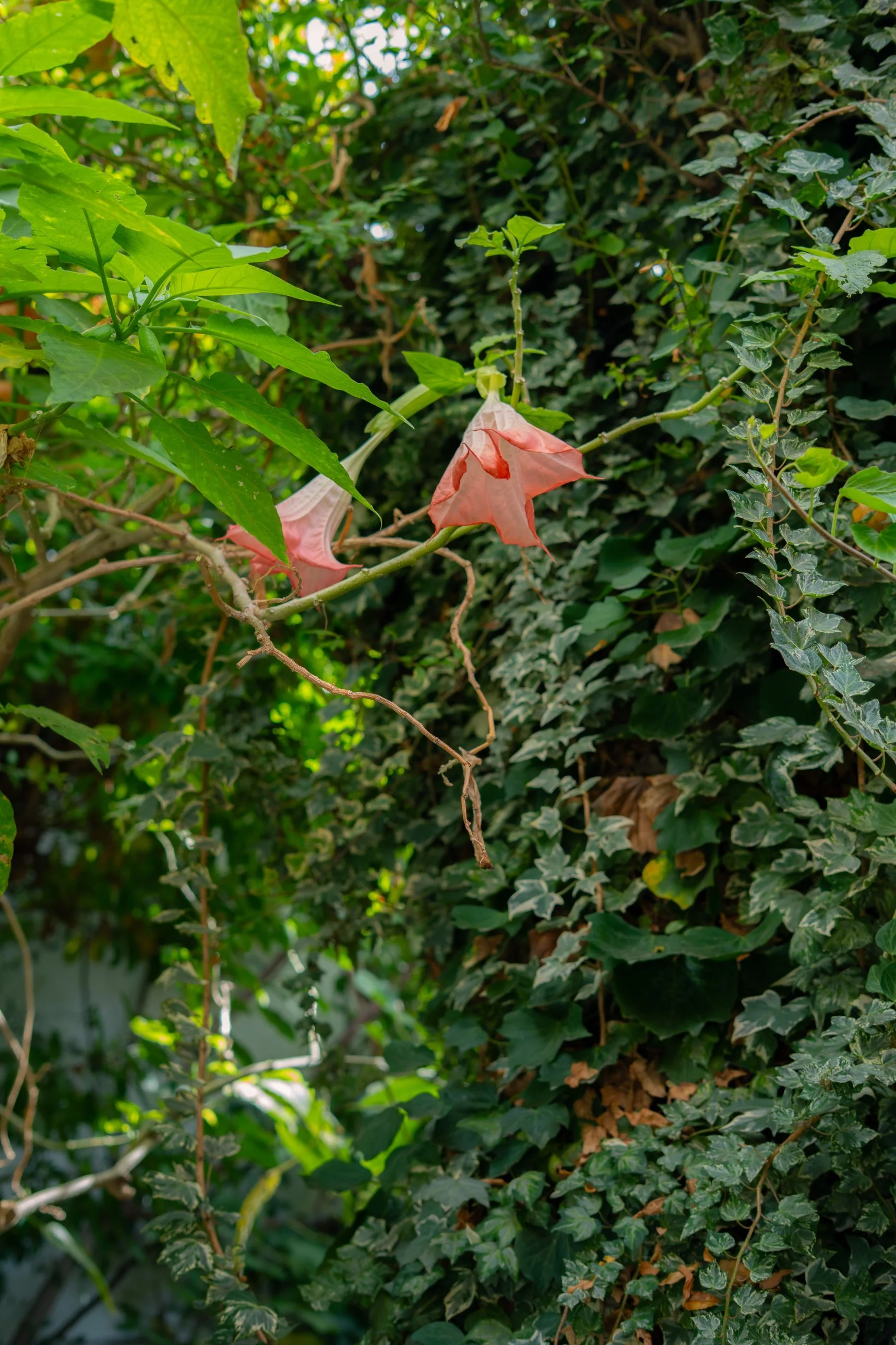
Brugmansia spp.
Alpinia zerumbet ‘Variegata’
Zantedeschia aethiopica
Festuca glauca
Bougainvillea spp.
The Garden
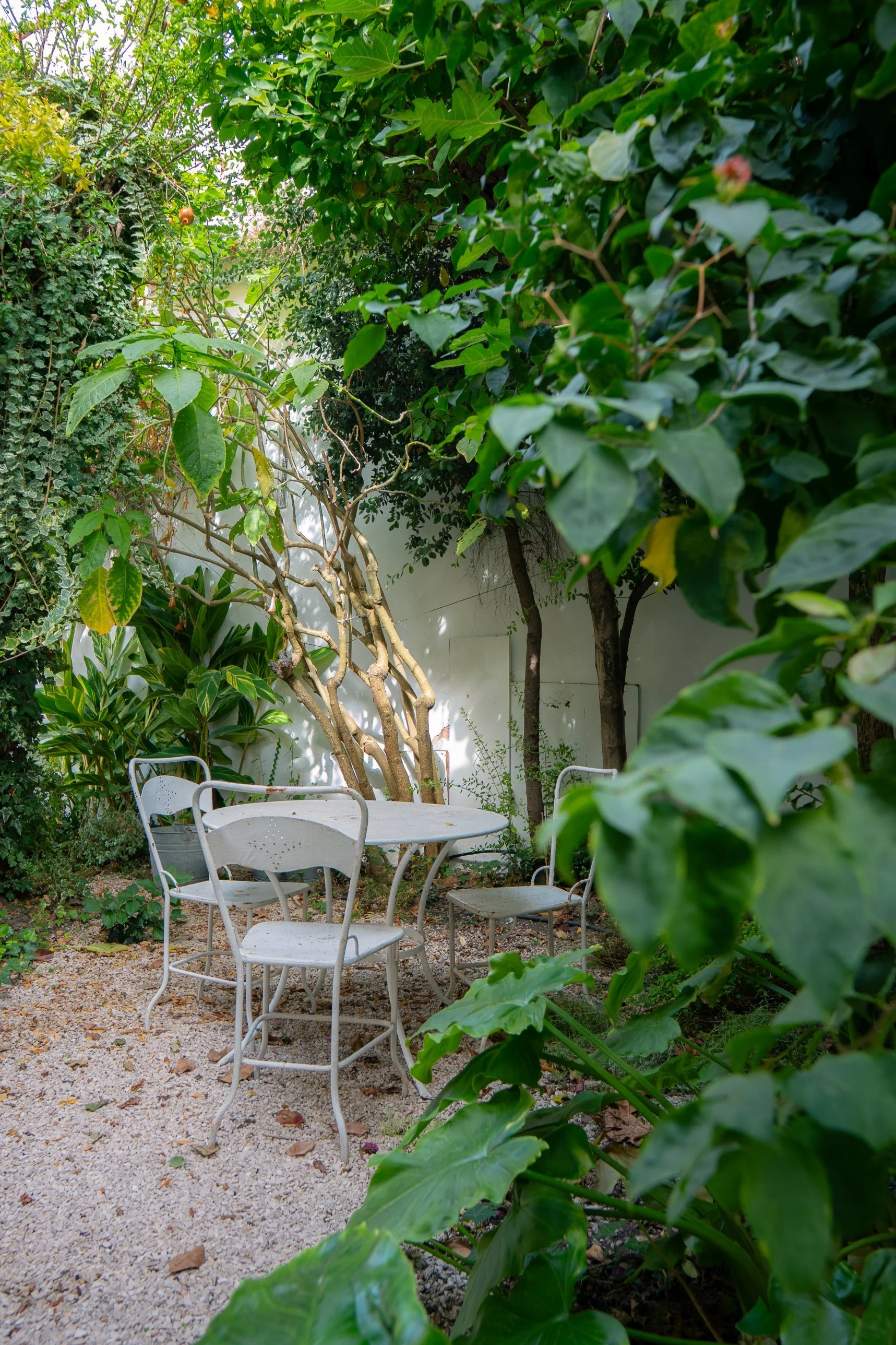
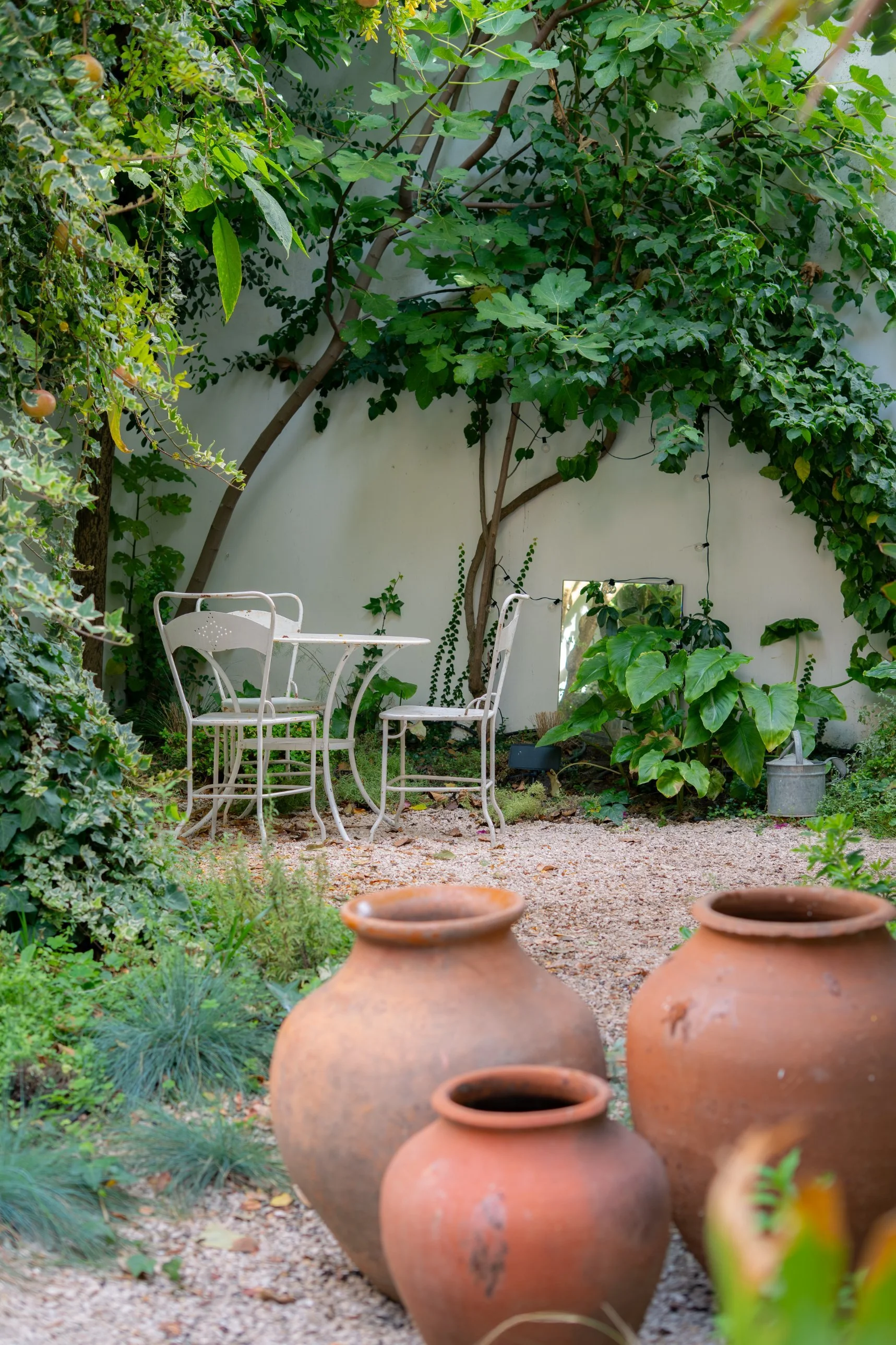
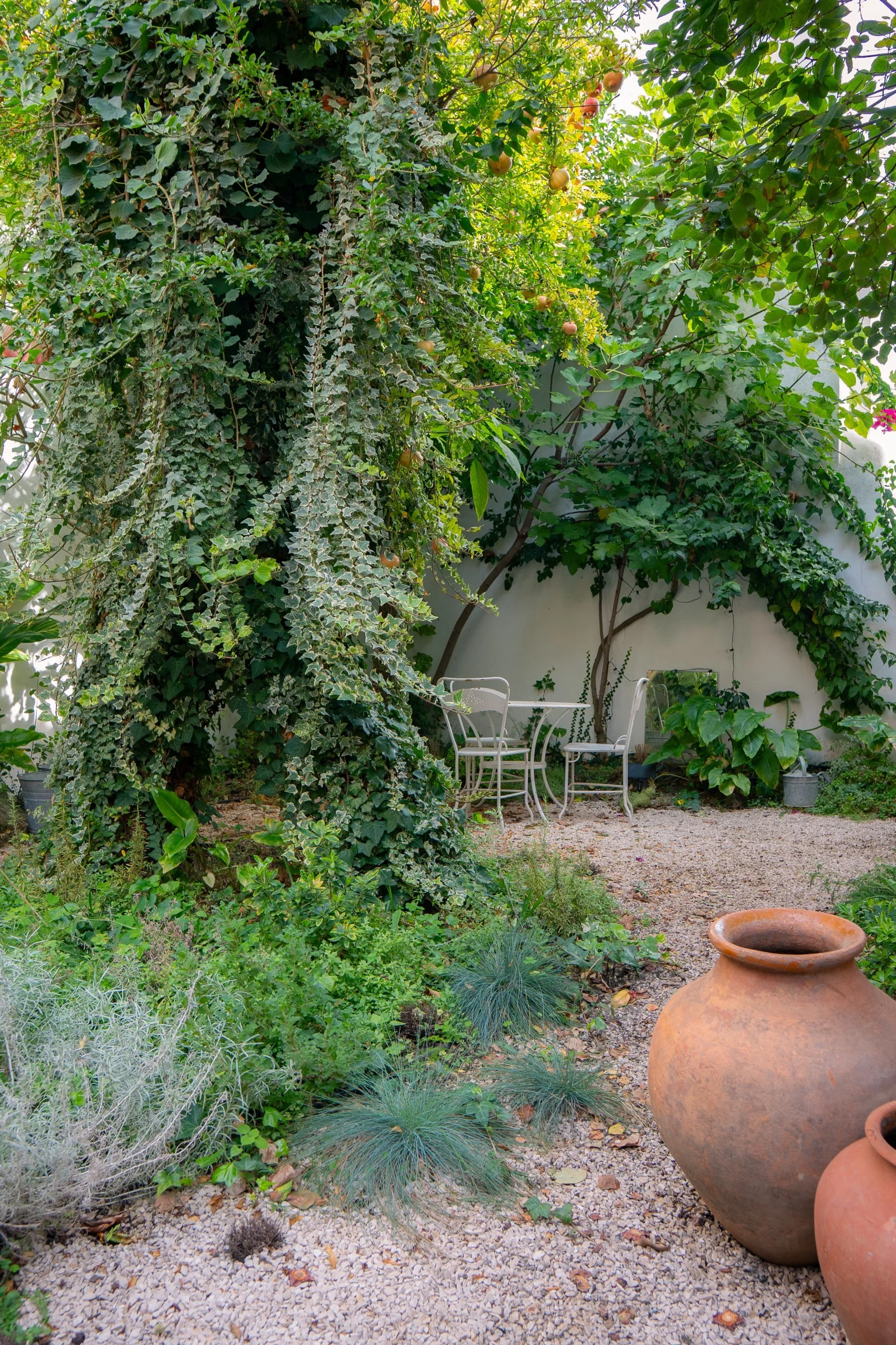
Hidden behind the colourful façades of Alfama, O Jardim Escondido is an intimate courtyard garden with a romantic, spontaneous and slightly wild character.
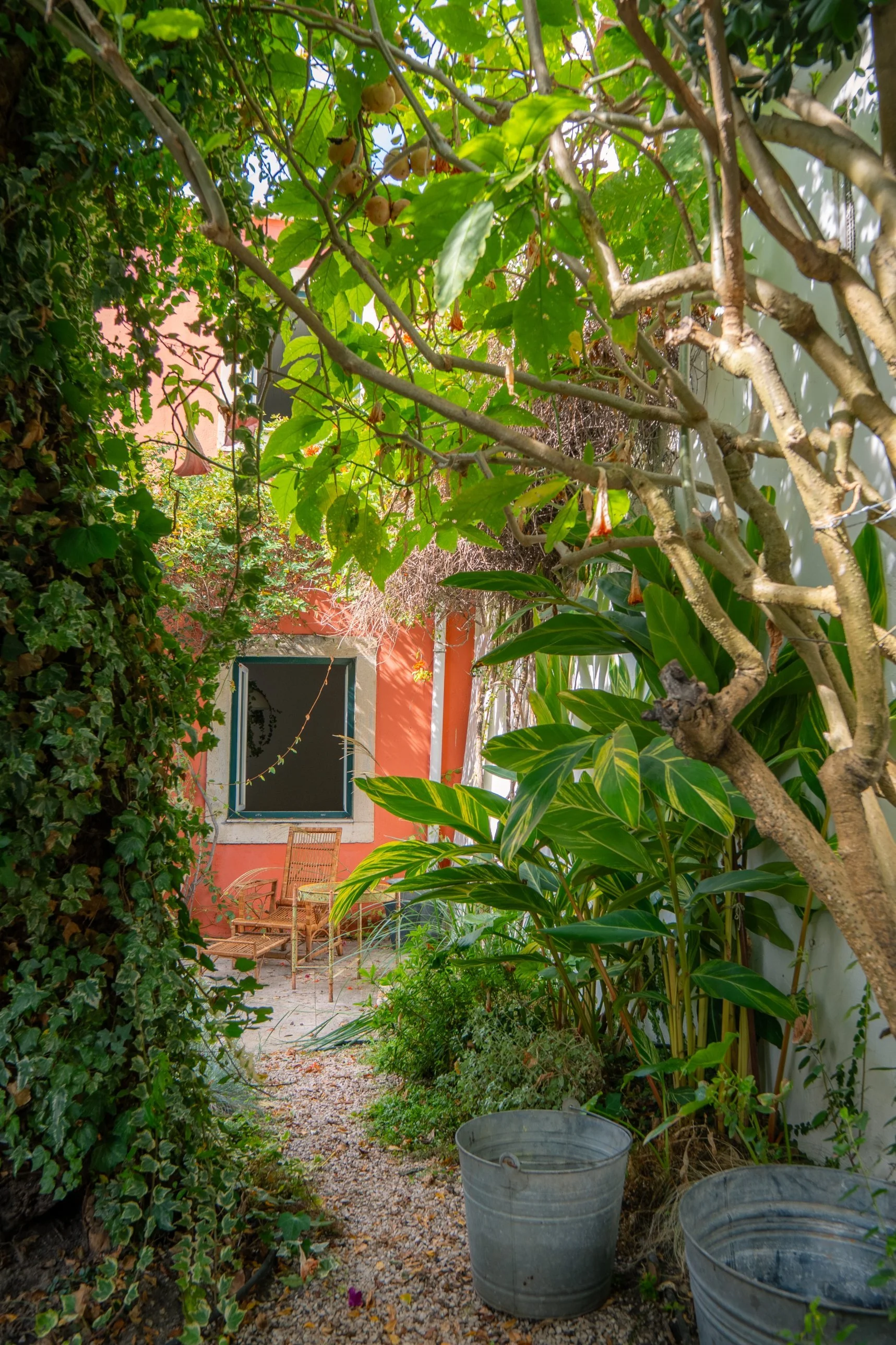
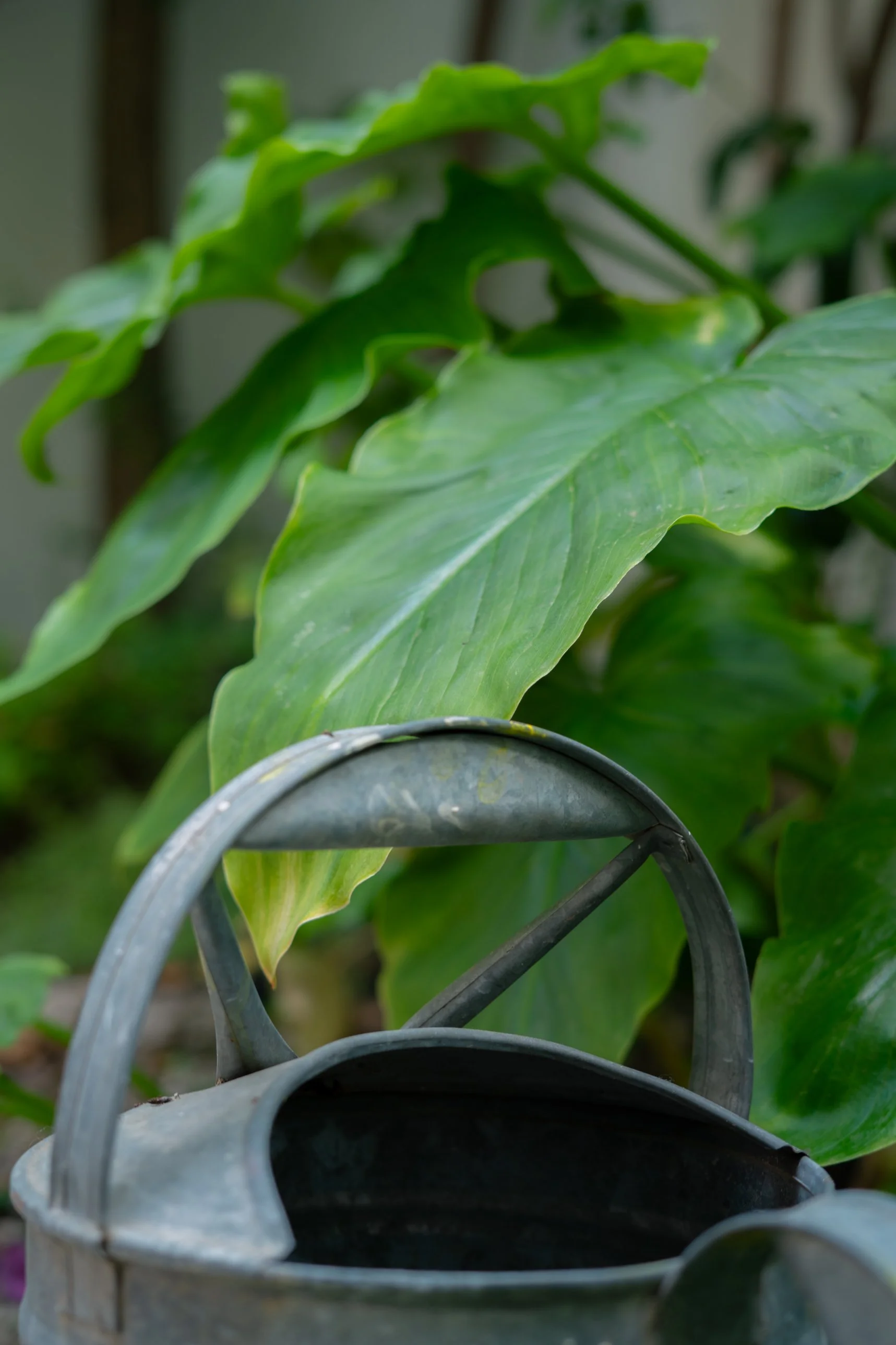
The design embraces the existing mature vegetation, creating a series of secluded spaces beneath the canopy of fruit trees. Organic gravel pathways, weathered terracotta vessels and vintage furniture contribute to the timeless atmosphere of the garden.
Generous greenery contrasts with the warm terracotta tones of the architecture, creating a place that feels sheltered from the city and deeply connected to the character of old Lisbon.
The Planting
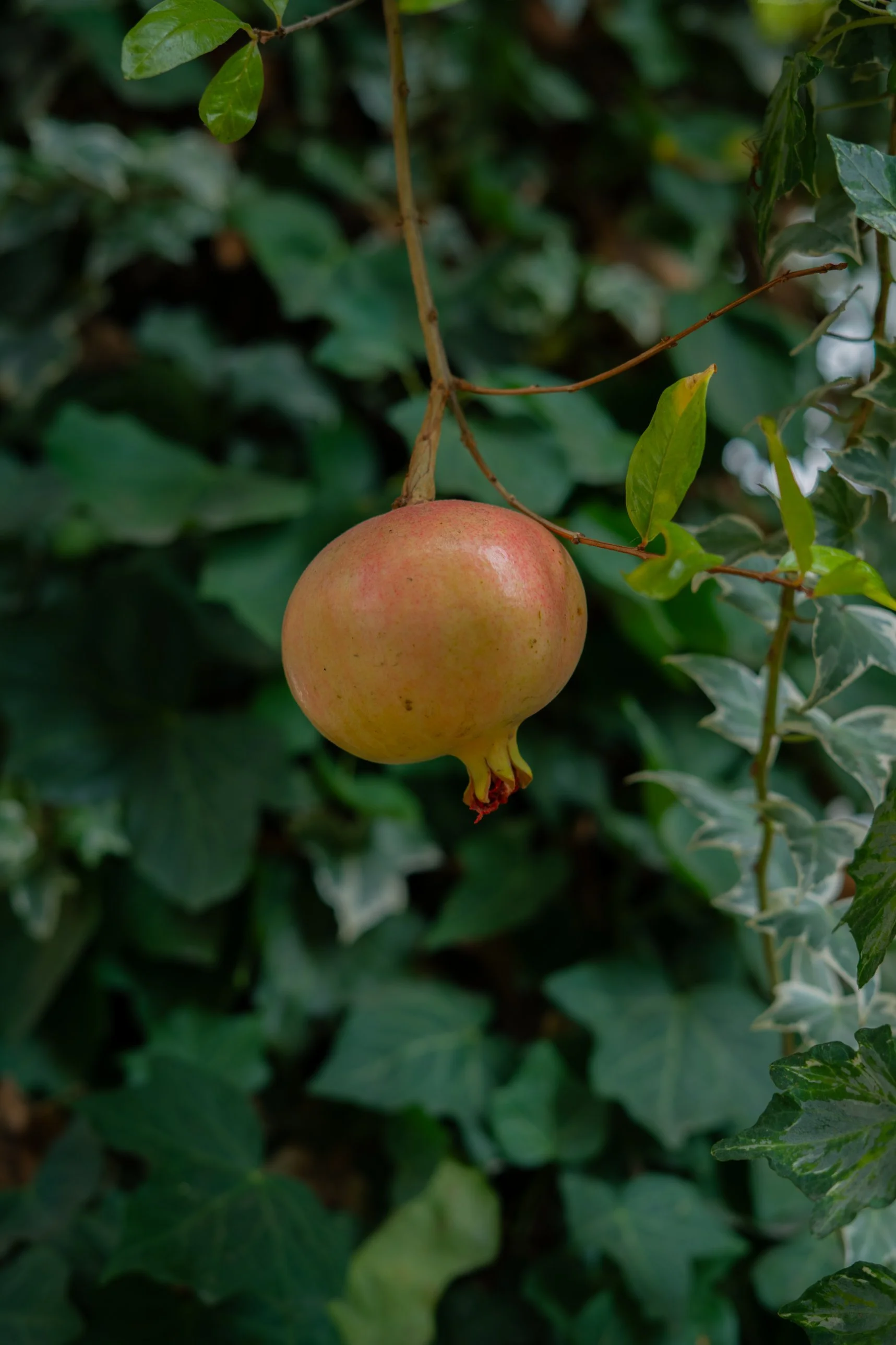
The planting composition revolves around the existing Punica granatum and Ficus carica, whose generous canopies provide shade, intimacy and seasonal interest.
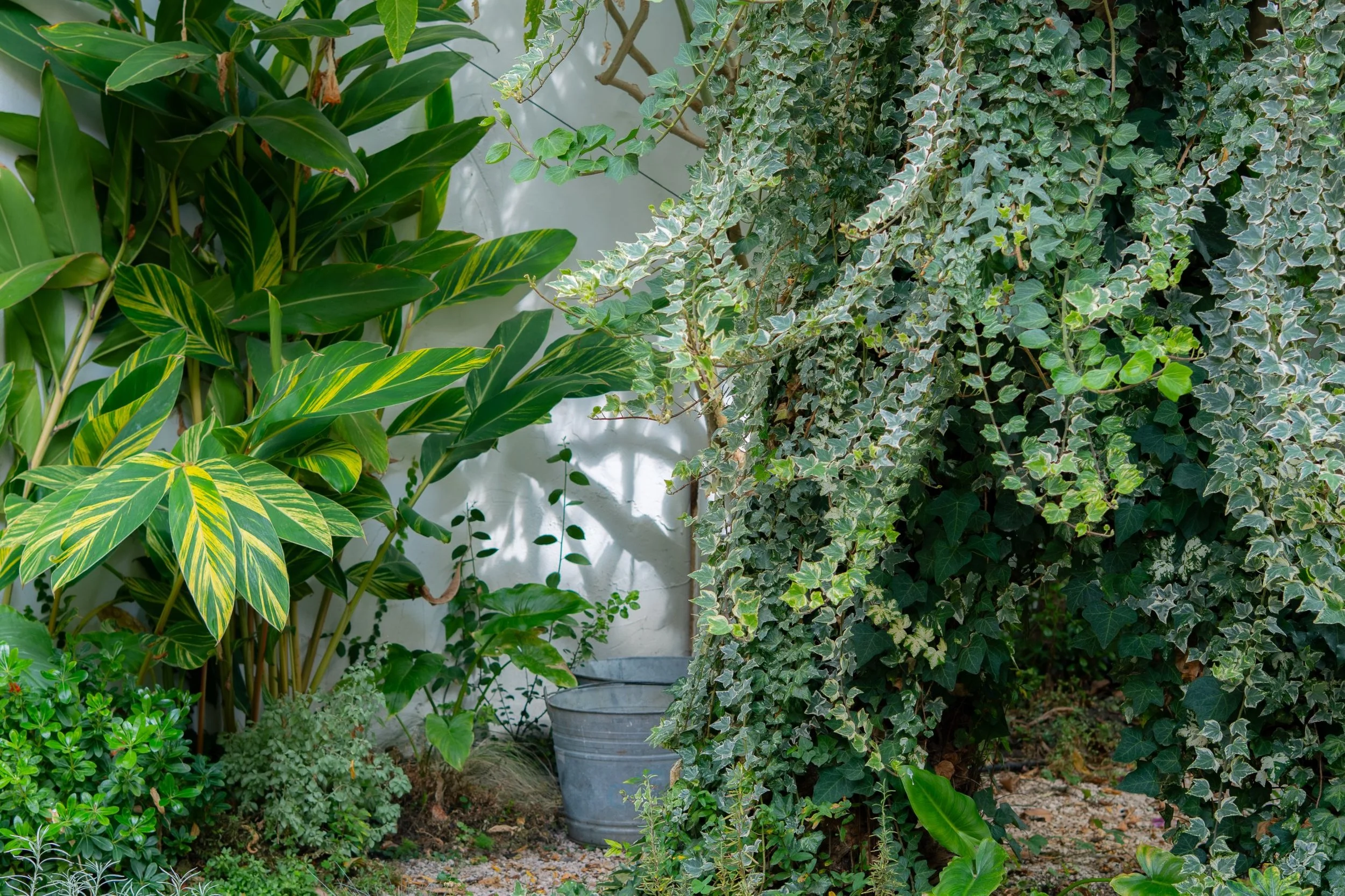
Cascading Hedera helix softens the surrounding architecture, while the pendulous flowers of Brugmansia introduce a romantic touch. The generous foliage of Alpinia zerumbet ‘Variegata’ and Zantedeschia aethiopica contrasts with the delicate textures and silvery-blue tones of Festuca glauca.
The planting embraces a sense of abundance, allowing different species to intertwine and gradually blur the boundaries between the garden and its architecture.
A Designer’s Perspective
What we particularly love about O Jardim Escondido is the feeling of entering a garden that seems to have grown naturally over generations.
The pomegranate tree, with its changing foliage and seasonal fruits, becomes an essential part of the garden’s identity. Fallen leaves, climbing vegetation and weathered materials contribute to its beauty, revealing the poetry of nature through the passing of time.
This project celebrates the charm of gardens that feel inhabited, imperfect and entirely alive.